
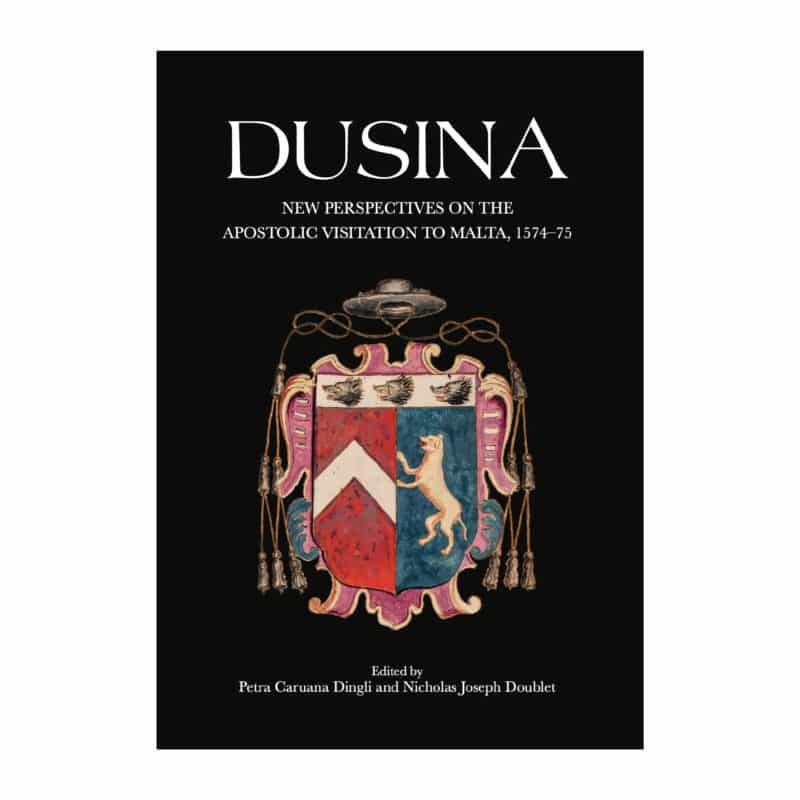
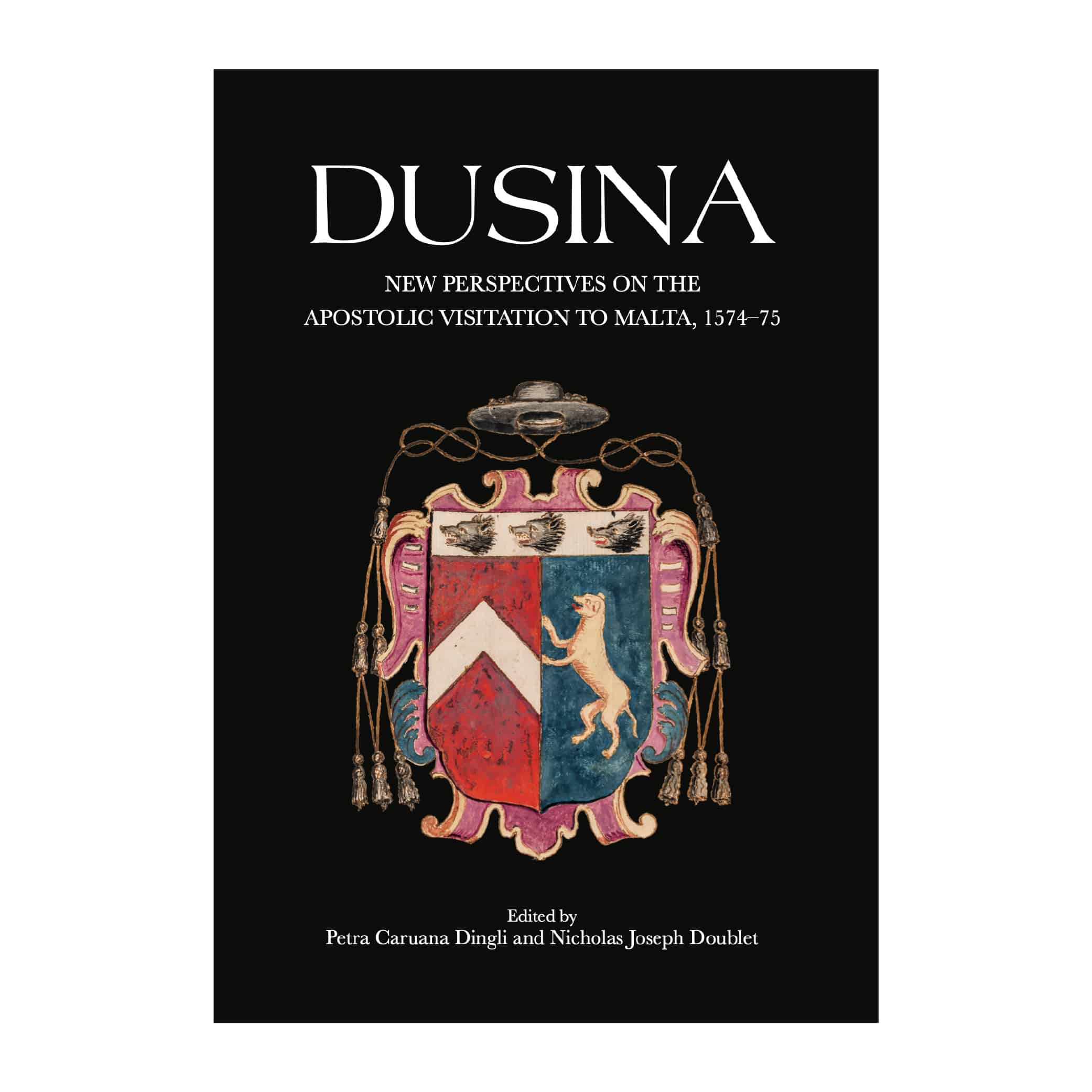
Description
Few documents have shaped the writing of Maltese history as decisively as the report of the apostolic visitation carried out by Monsignor Pietro Dusina in 1574–75. Sent by Pope Gregory XIII as apostolic visitor and inquisitor a decade after the close of the Council of Trent, Dusina travelled across Malta and Gozo inspecting parishes, chapels, confraternities, religious institutions and ecclesiastical administration, interrogating the clergy, examining liturgical books and church furnishings, and hearing the petitions of the local communities. The record he compiled captures the Maltese Church at a moment of transition, when medieval traditions still stood alongside the first demands of Tridentine reform, and it has served generations of historians as the foundation for the study of sixteenth-century Malta. This volume returns to the visitation with new questions. Its eighteen essays ask not only what Dusina recorded but how his report was produced, whose voices it preserves and whose it obscures, and how it came to shape Malta’s historical memory. Reform emerges here not simply as a programme imposed from Rome but as a negotiation between universal norms and local realities, in which parish priests, confraternities, village communities, religious women, and lay patrons all had a part. Together the essays reveal the visitation not as a fixed inventory but as a living source for the religious and cultural history of Malta and the wider Mediterranean.
Additional information
| Dimensions | 245 × 168 cm |
|---|
You may also like…
-
 Biographies & autobiographies
Enrico Dandria – qassis, politiku, patrijott, Max Farrugia
€45.00 Add to cartQuick View -
 Religious
Mapping a Moral Consensus: Calibrating an Ethical Compass for the Future. Festschrift in Honour of Mgr Professor Emmanuel Agius on the Occasion of his Seventieth Birthday
€70.00 Add to cartQuick View -
 Religious
Fidelis et Verax
€45.00 Add to cartQuick View -
 Photography
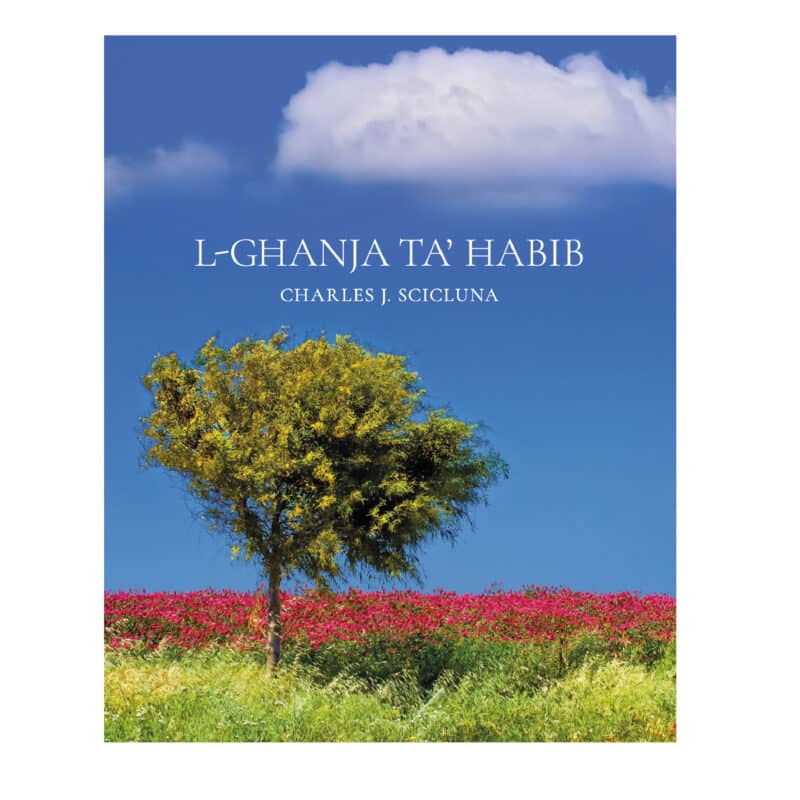
L-Għanja ta’ Ħabib, Charles J. Scicluna
€40.00 Add to cartQuick View -
 Art
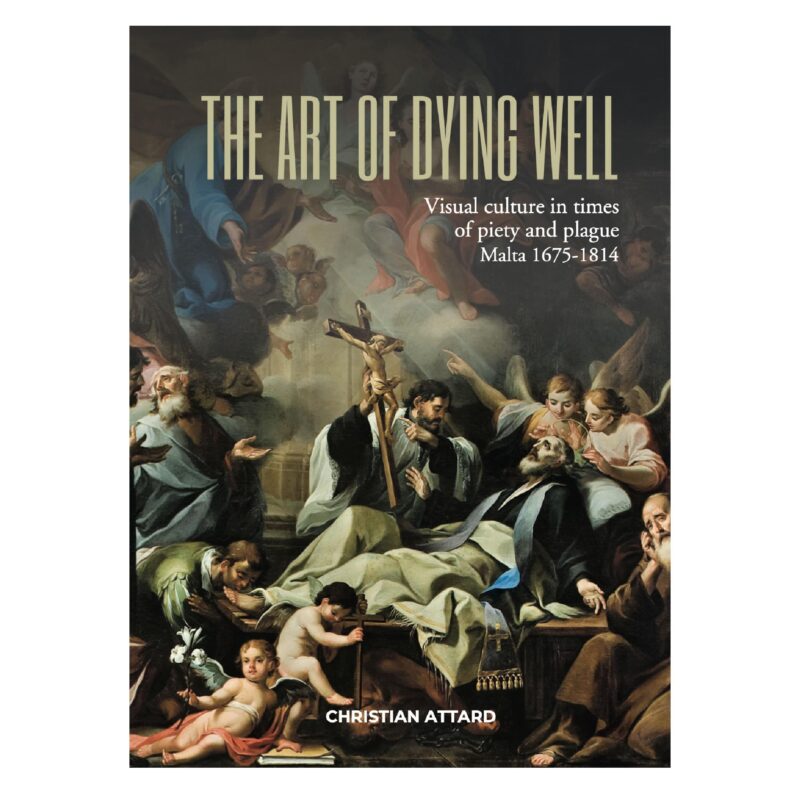
ArtThe Art of Dying Well, Visual culture in times of piety and plague in Malta, 1675-1814, by Christian Attard
€95.00 Add to cartQuick View
Related Books
There are many variations of passages of lorem ipsum available.
-
 Art
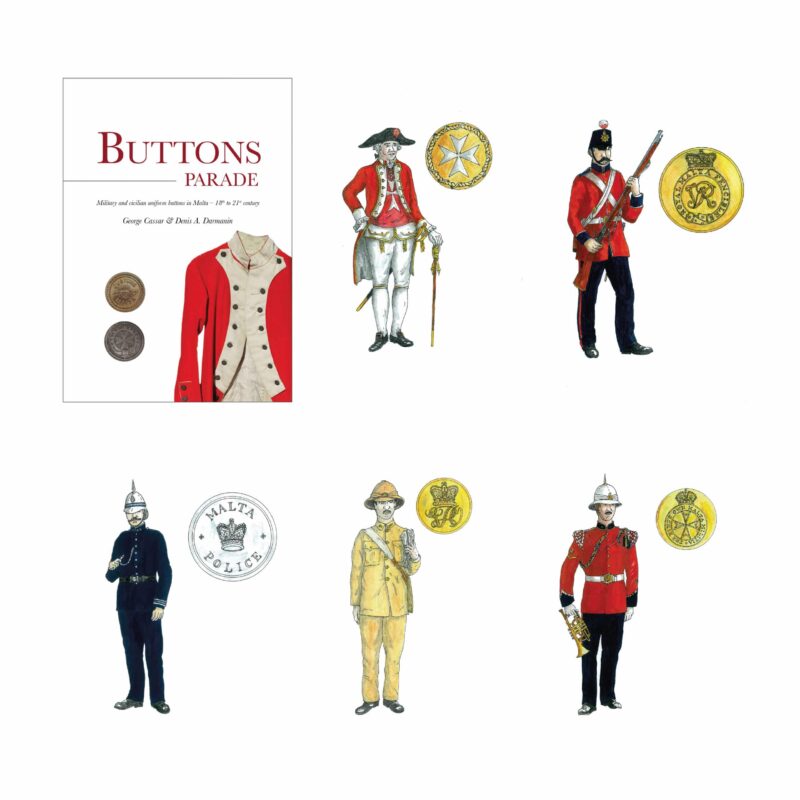
ArtBOOK + 5 PRINTS, numbered and signed. Buttons Parade, Military and civilian uniform buttons in Malta –18th to 21st century
€150.00 Add to cartQuick View -
 Research
Graduate Employability Skills in Malta, Anne Marie Thake
€40.00 Add to cartQuick View -
 Education
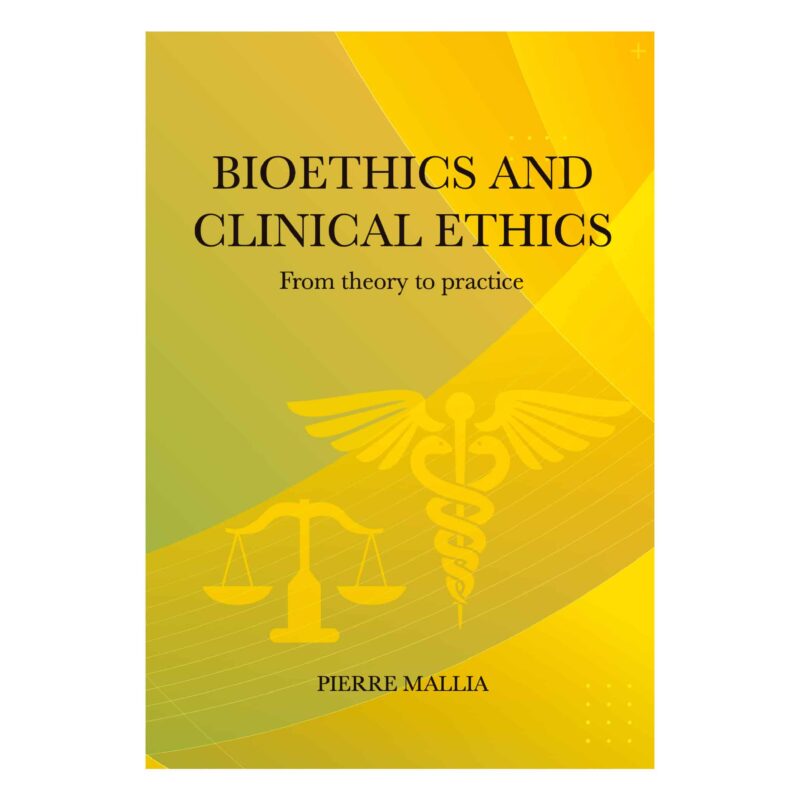
Bioethics and Clinical Ethics, From theory to practice, Pierre Mallia
€28.00 Add to cartQuick View -
 Law
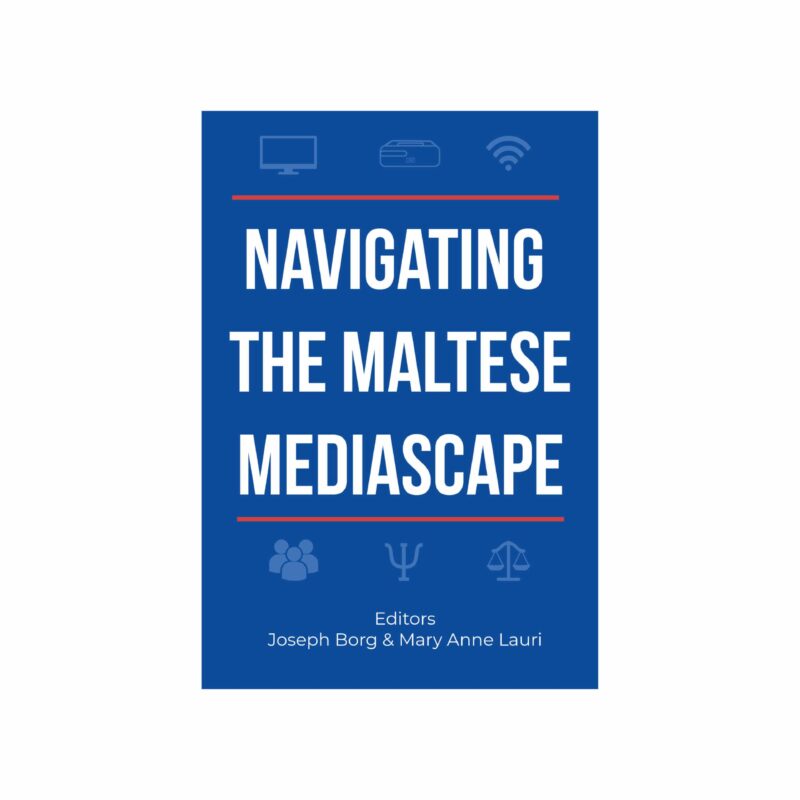
LawNavigating the Maltese Mediascape, Editors: Joseph Borg & Mary Anne Lauri
€30.00 Add to cartQuick View